Open Symposium on the European Strategy for Particle Physics
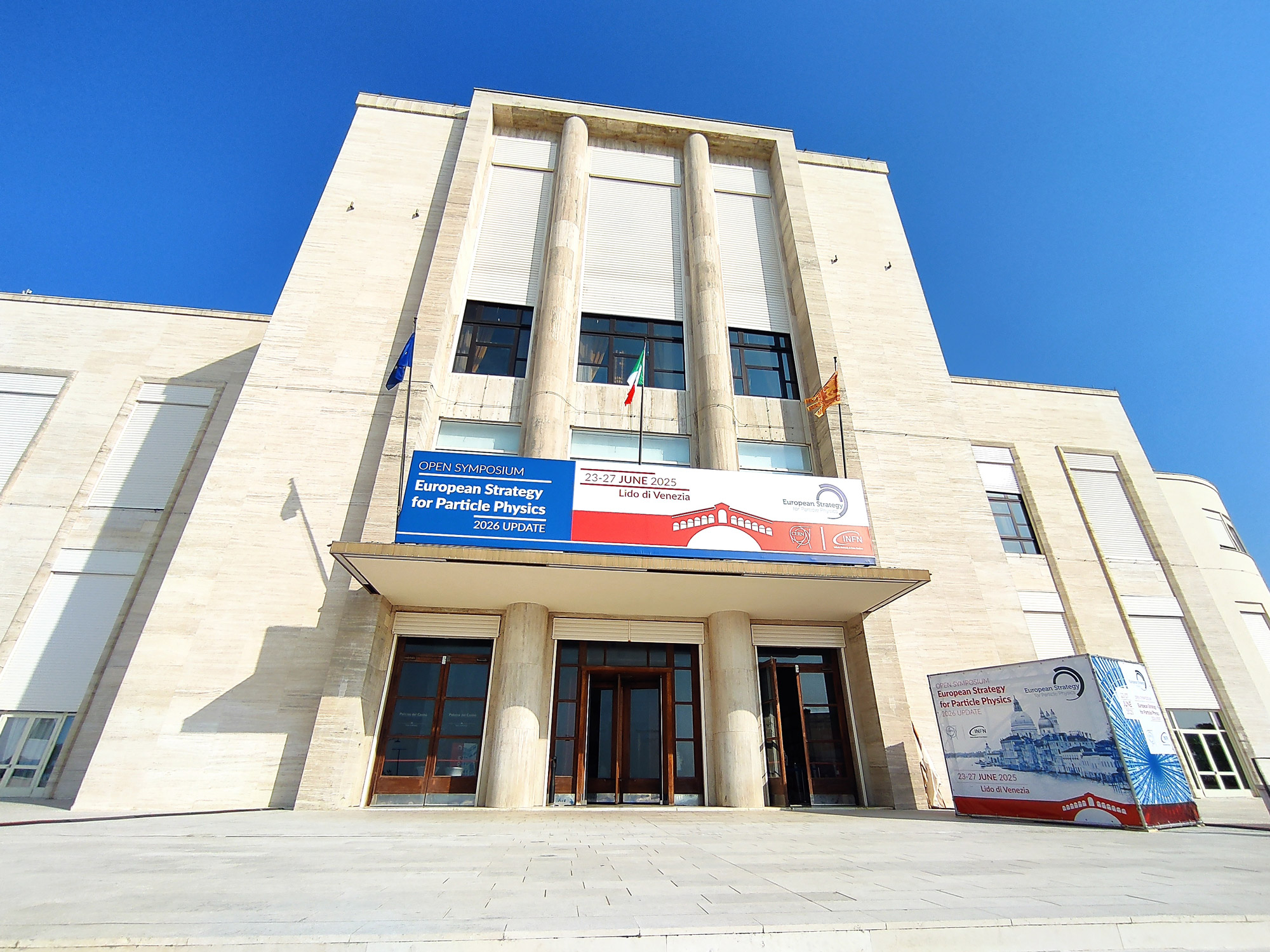
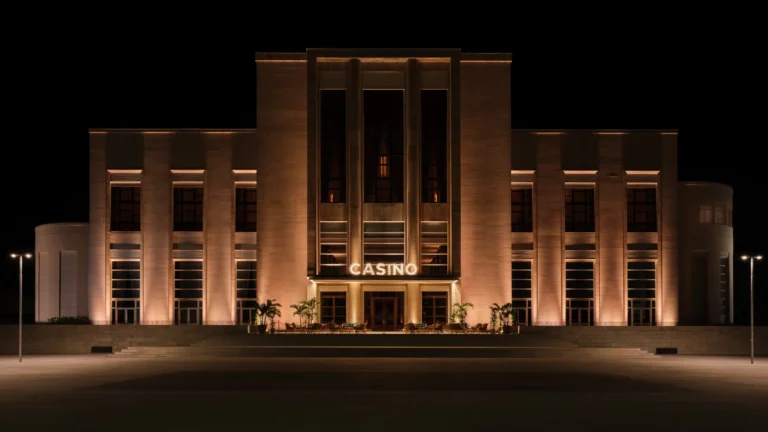
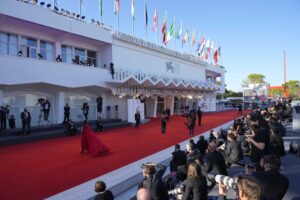
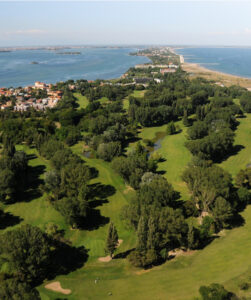
From 23 to 27 June 2025, the Palazzo del Casinò on Venice Lido hosted the Open Symposium on the European Strategy for Particle Physics (ESPP), one of the most important milestones in shaping the medium- and long-term future of particle physics in Europe.
Hosted and organised by the Istituto Nazionale di Fisica Nucleare (INFN) with the support of CERN, the event brought together 625 participants from universities, laboratories and research institutes around the world.
The Open Symposium marked a key stage in the 2026 update of the European Strategy for Particle Physics, the process led by the CERN Council to set the discipline’s scientific and technological priorities for the decades ahead. A central aim of the current update is to identify CERN’s next flagship research project, set to succeed the Large Hadron Collider (LHC) and its High-Luminosity LHC upgrade, alongside possible alternatives and the other priorities of European research.
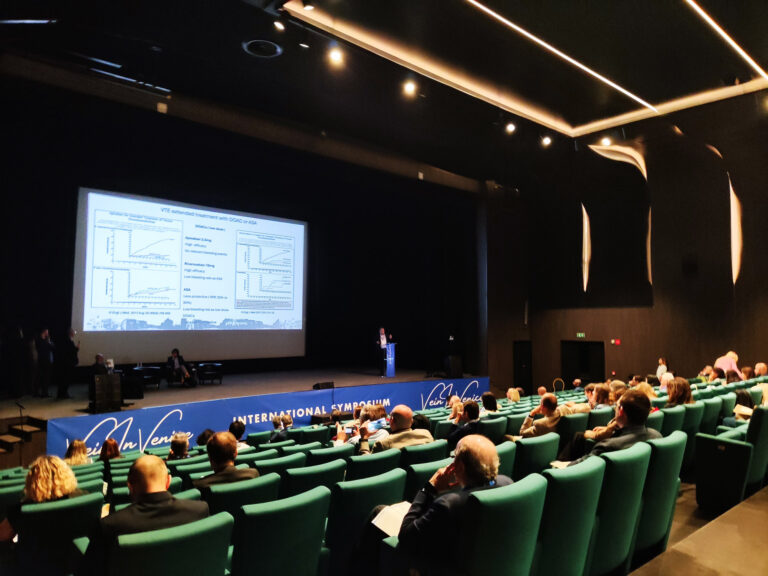
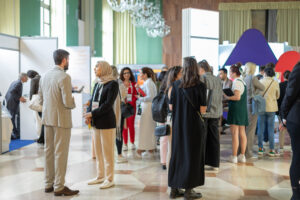
Over five days, the scientific community discussed the proposals and contributions submitted as part of the strategy process, weighing up different scenarios for future accelerators and assessing the major open questions in fundamental physics. The programme covered a broad spectrum of topics, including electroweak physics, strong interactions, flavour physics, neutrinos and cosmic messengers, dark matter and new phenomena beyond the Standard Model, as well as the development of new accelerator and detector technologies and the computing infrastructure needed for future experiments.
The discussions went beyond scientific goals to address the role of national laboratories, international collaboration, technological development, the training of new generations of researchers and the relationship between particle physics and other fields of research. The outcomes of the Venice discussions fed into the subsequent Physics Briefing Book, a document designed to support the European Strategy Group in drawing up its strategic recommendations.
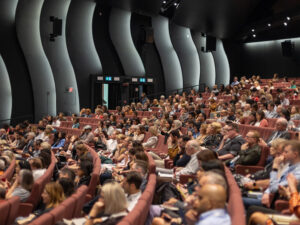
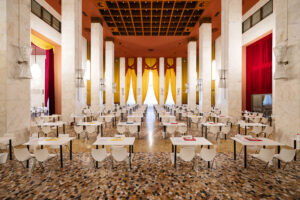
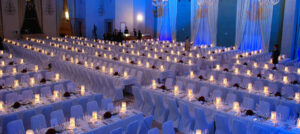
The layout of the Palazzo del Casinò made it possible to run a particularly complex scientific programme. Plenary sessions were held mainly in the Sala Perla, which seats up to 594, while parallel sessions also made simultaneous use of the Sala Volpi, Sala Amici and the Sale Mosaici, with the Sala degli Specchi set aside for networking. In total the building offers four further large halls and more than 3,000 m² of exhibition space, allowing plenary sessions, working groups and congress services to be brought together under one roof.